

Behavioural Therapy and Counselling Support
(dogs and babies are welcome at my home practice)
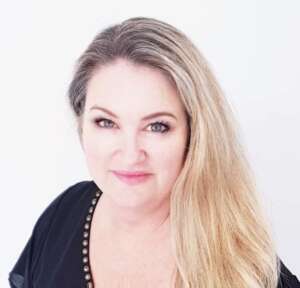
Hello, I’m Cat. I’m a certified Behavioural Therapist (C.B.T. and A.C.T.) practicing on Auckland’s North Shore.
I offer practical, solutions-focused therapy for people aged 11+, helping you manage anxiety, feel more in control, and move forward with clarity and confidence. Sessions are 1 hour ($120).
My approach is holistic—we look at the full picture of your life, including emotional, mental, physical, social, and environmental factors, so we can create meaningful, lasting change. I am a Misophonia Specialist.
I’m here to support you in taking control of your emotional wellbeing and becoming a more confident, grounded version of yourself.
I offer a calm, practical, and non-judgmental space where you can feel heard and supported.
I can help with:
- Chronic Anxiety including social anxiety, generalised anxiety disorder and panic disorder
- including a feeling of overwhelming or uncontrolled emotions
- Getting “unstuck” and moving forward in a values based direction
- Getting “unhooked” from negative self-talk
- Adolescents with anxiety and depression and low self confidence
- Improving communication and decreasing conflict
- Life direction
- Healing from childhood and relationship damage
- Building confidence, self-esteem, assertiveness and social skills, communication skills and relationship skills
- Misophonia and Misokinesia
- Counselling Support
- Menopause and Andropause Support
Therapies
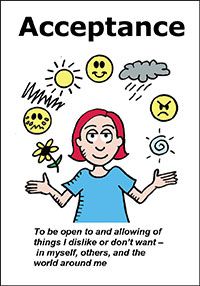
Acceptance and Commitment Therapy
I use ACT in a practical, down-to-earth way that fits your life—not a one-size-fits-all approach.
Acceptance and Commitment Therapy (ACT) helps you relate to your thoughts and feelings in a different way—so they have less control over you.
Instead of trying to get rid of difficult thoughts or emotions, ACT teaches you how to make space for them, while focusing on what truly matters to you.
Using mindfulness-based therapy and practical strategies, ACT helps you:
- Handle anxiety, stress, and overwhelming emotions
- Unhook from negative thoughts and self-doubt
- Stop avoiding what’s important
- Take meaningful action toward the life you want
ACT is an evidence-based approach that supports a wide range of challenges, including anxiety, depression, OCD, and life transitions.
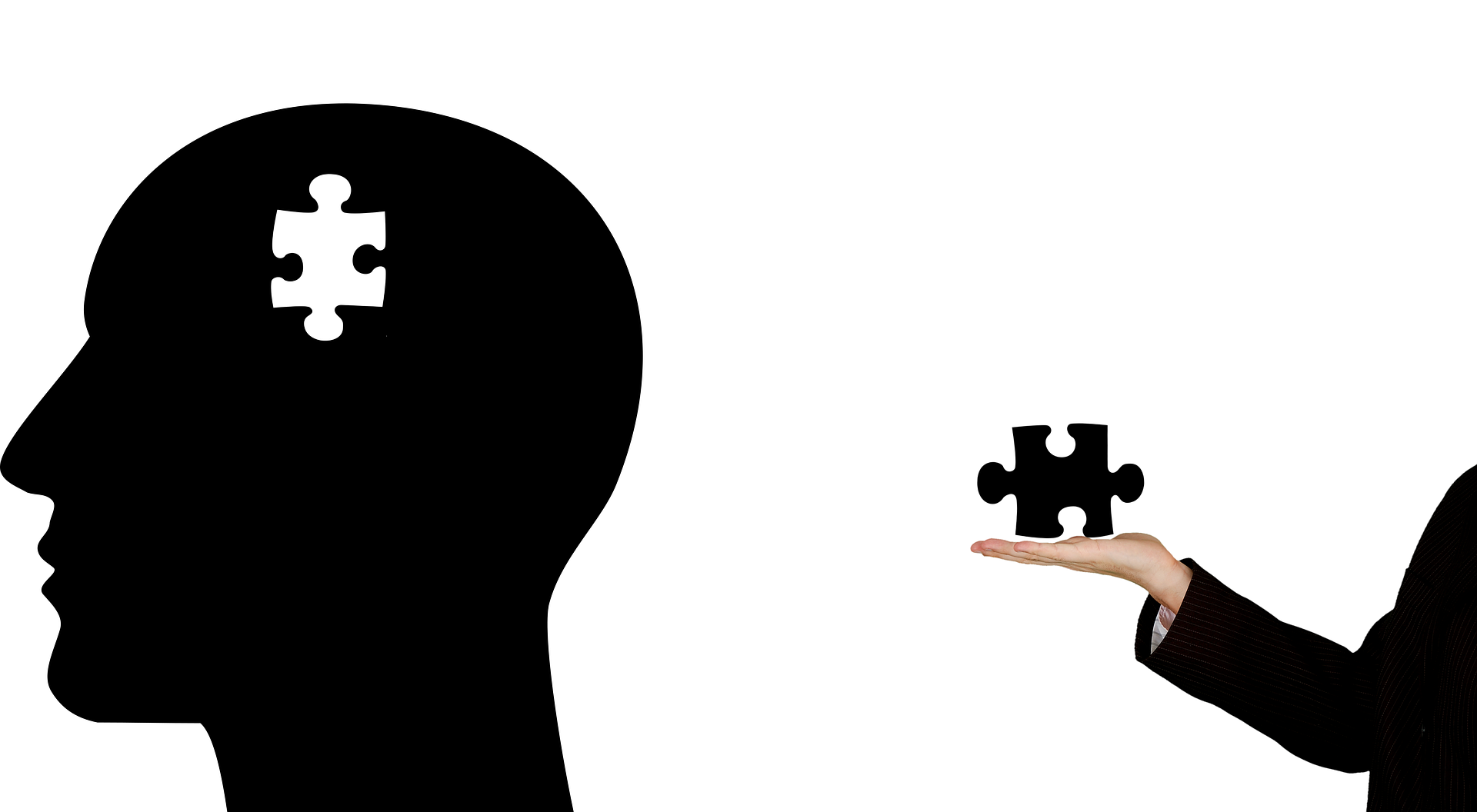
Cognitive behavioral therapy (CBT) is a practical, evidence-based approach that helps you understand how your thoughts, feelings, and behaviours are connected.
Together, we identify unhelpful patterns and work on simple, effective strategies to change them—so you can feel better and function more confidently in your day-to-day life.
CBT can help with:
- Anxiety and stress
- Low mood and depression
- Panic and overthinking
- Relationship and communication challenges
- Unhelpful habits and behaviours
CBT is one of the most well-researched therapies available and has been shown to be highly effective for a wide range of difficulties.
Schema Therapy
Schema Therapy helps you understand and change deep-rooted patterns that keep showing up in your life—especially in relationships, self-esteem, and emotional reactions.
These patterns (sometimes called “schemas” or core beliefs) often develop early on, and can lead to feeling stuck, overwhelmed, or repeating the same painful cycles.
In our work together, we gently identify these patterns and where they come from, and begin to change them—so you can respond differently, build healthier relationships, and feel more secure in yourself.
Schema Therapy can be especially helpful if you:
- Feel stuck in the same patterns despite previous therapy
- Struggle with low self-worth or strong self-criticism
- Experience ongoing anxiety, depression, or relationship difficulties
- Feel like your reactions are intense or hard to control
- Keep repeating unhelpful relationship or life patterns
Counselling Support
Sometimes you just need space to talk things through, feel heard, and make sense of what’s going on in your life.
I offer a calm, supportive, and non-judgemental space where you can explore challenges such as stress, anxiety, low mood, relationship difficulties, or life transitions—at your own pace.
Alongside counselling, I may also integrate hypnotherapy where appropriate. This can help access deeper patterns and support change at a subconscious level, particularly for long-standing habits, fears, or emotional blocks.
Together, we focus on helping you:
- Understand your thoughts and emotions more clearly
- Build practical coping strategies
- Feel more grounded, confident, and in control
- Create meaningful, lasting change

Relationship Therapy and Relationship Skills
Relationships can feel hard at times—especially when communication breaks down, conflicts repeat, or trust has been shaken.
Relationship therapy offers a safe, neutral space where both partners can feel heard and understood. I guide the conversation so you can better understand what’s really going on beneath the surface, and begin to move forward together. I also regularly work with individuals wanting to upskill their relationship skills and break unwanted patterns in their relationships. This can involve identifying and communicating your core needs in a relationship, discussing your reactive cycle and patterns, practicing great communication and conflict and differentiation skills.
In our work, you’ll learn how to:
- Communicate more openly and effectively
- Navigate conflict without it escalating
- Rebuild trust and emotional connection
-
Strengthen your relationship moving forward
- Understand patterns that keep you stuck
Whether you’re feeling disconnected, going through a difficult period, or simply want to improve your relationship, therapy can help you find a clearer, calmer way forward—together.Strengthen your relationship moving forward

Therapy for Misophonia
Misophonia can make everyday sounds feel overwhelming and upsetting. My approach is holistic and personalised, combining practical strategies with therapy to reduce the impact on your life and involves teaching psychological flexibility.
Together, we can:
- Build coping strategies to manage triggers
- Use relaxation techniques and paced breathing to reduce stress
- Explore targeted therapies like CBT, Neural Repatterning, and hypnotherapy to change your emotional response to triggers
- Incorporate lifestyle approaches—good sleep, diet, and wellness practices
- Use tools like sound generators or noise-cancelling devices to create calm spaces
While the reflex reactions of misophonia can’t be completely eliminated, therapy can help you feel more in control, reduce anxiety, and live a fuller, more comfortable life.
This includes creating a trigger-free haven, a place where they escape to. Using noise cancelling or isolating headphones. Improving diet, good quality sleep and general wellness. Using electronics and technology such as white noise generators, smartphone apps and bluetooth sound generators.
The treatments for Misophonia are underpinned by solid neuroscience. Practicing muscle relaxation techniques daily for several months has proven to be enormously successful for some sufferers. Using paced breathing, CBT and focused concentration can help. Neural Repatterning Technique is a treatment I can help you with. The treatment involves hearing an intermittent, very weak trigger while experiencing a positive situation such as listening to your favourite music or talking about positive life experiences. Hypnotherapy can be used to “collapse the anchor”, that is, disconnect the emotional response from the physical reflex and create a positive emotional response to the physical reflex.